Practice and product
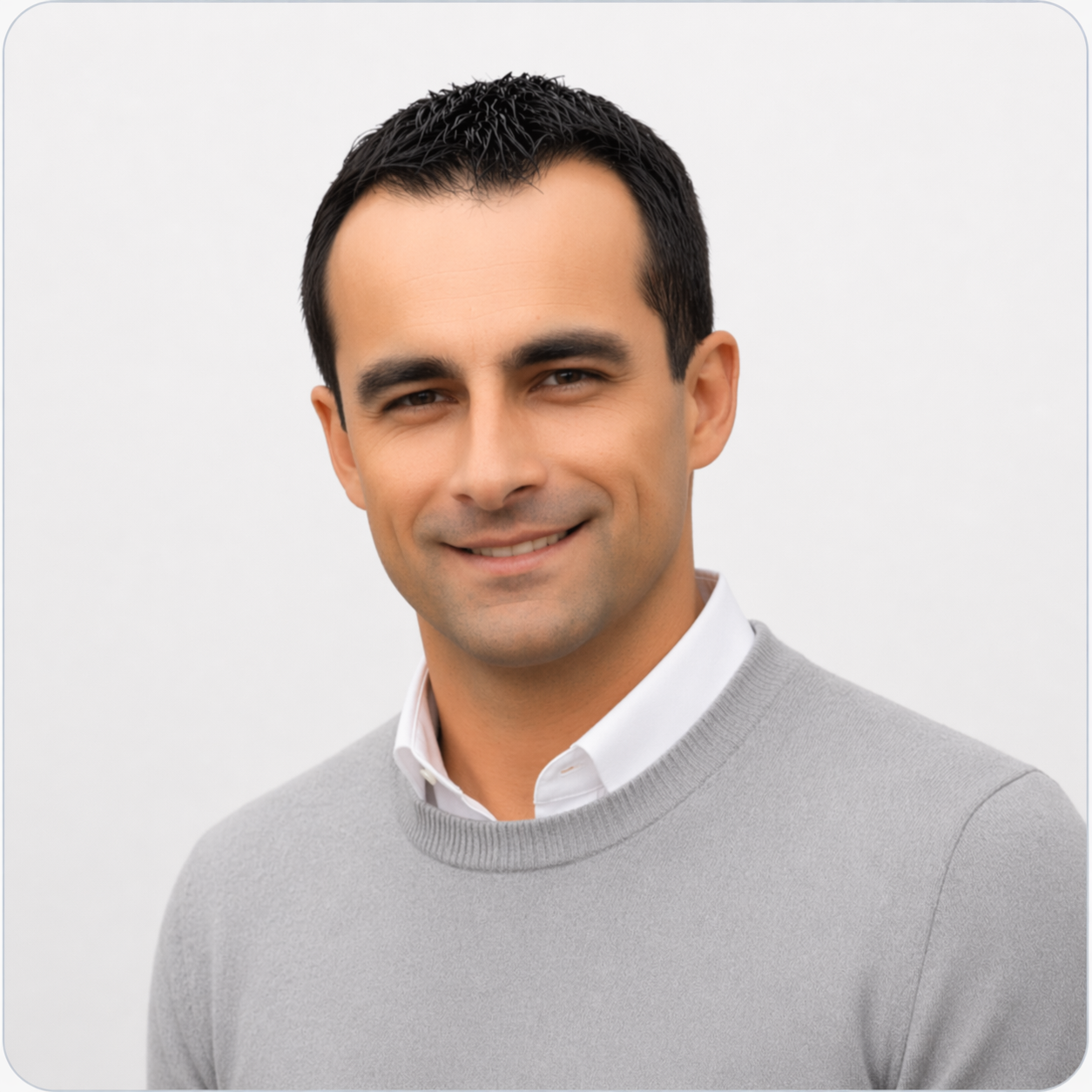
Boris D. Rausch
Boris D. Rausch brings together product thinking, didactic translation, and accessible implementation. That turns a specialist topic into an interface that remains usable without prior expertise.
Behind the project
The project brings together two perspectives: public health and product work.
Practice and product
Boris D. Rausch brings together product thinking, didactic translation, and accessible implementation. That turns a specialist topic into an interface that remains usable without prior expertise.
Science and public health
Andreas Heinz contributes the public-health perspective. That keeps the models, terms, and interpretations scientifically grounded.
Why this project exists
Understanding Infection Dynamics makes epidemiological models easier to follow without specialist software. The platform shows how thresholds, parameters, and interventions change the course of a wave.
Learners should be able to see how a model works, which assumptions it relies on, and where simple pictures stop helping.
How the system is structured
The platform introduces the topic first and then opens space for exploration. The scientific framing stays visible throughout.
The learning journey shows all six models at a glance and helps learners choose a sensible starting point.
Each MiniLab focuses on one model and one guiding question. That keeps differences concrete and easy to compare.
Intro gives orientation, Explore opens the model, Challenge pushes further, and Library gathers terms, assumptions, and limits.
Didactic principles
The page gives orientation first. After that, learners can explore on their own.
Curves, states, and feedback do the first part of the explaining. Technical terms come in when they genuinely help.
Models stay explainable. Assumptions, simplifications, and limits are stated openly.
The first step stays open: no sign-in and no unnecessary friction.
Research and openness
The platform is built as an open educational resource. Content should stay traceable, reusable, and freely accessible.
Assumptions, model limits, and simplifications belong on the page. Without them, a curve cannot really be interpreted.
Next step
That is where the clearest entry into the project begins.